 Bloom
Bloom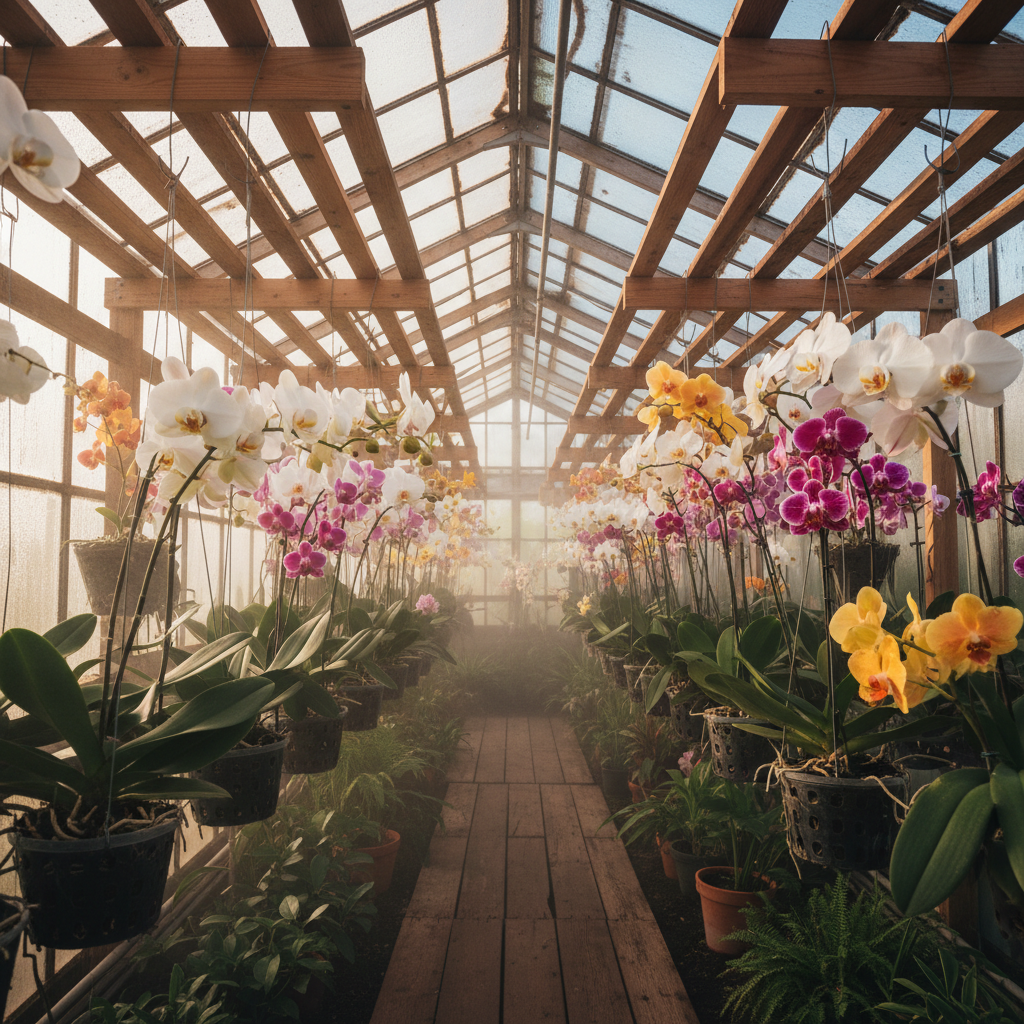
Where OrchidsActually Thrive.
We grow what others can't keep alive.
Varieties in Bloom Today
Orchids Shipped This Year
Rebloom Success Rate
01 — Bare Root Arrival
Every orchid begins as a bare root.
We source directly from specialist growers in Taiwan, Thailand, and Florida — never a middleman, never a box-store pallet. Each bare root arrives wrapped in sphagnum, inspected for rot, and potted into our bark-perlite mix within 24 hours of delivery. Phalaenopsis get 3-inch clear plastic pots so roots can photosynthesize. Cattleya go into terracotta. Vanda hang bare in cedar baskets over a misting bench. The container choice isn't aesthetic — it's metabolic.
02 — Spike Emergence
The spike doesn't lie.
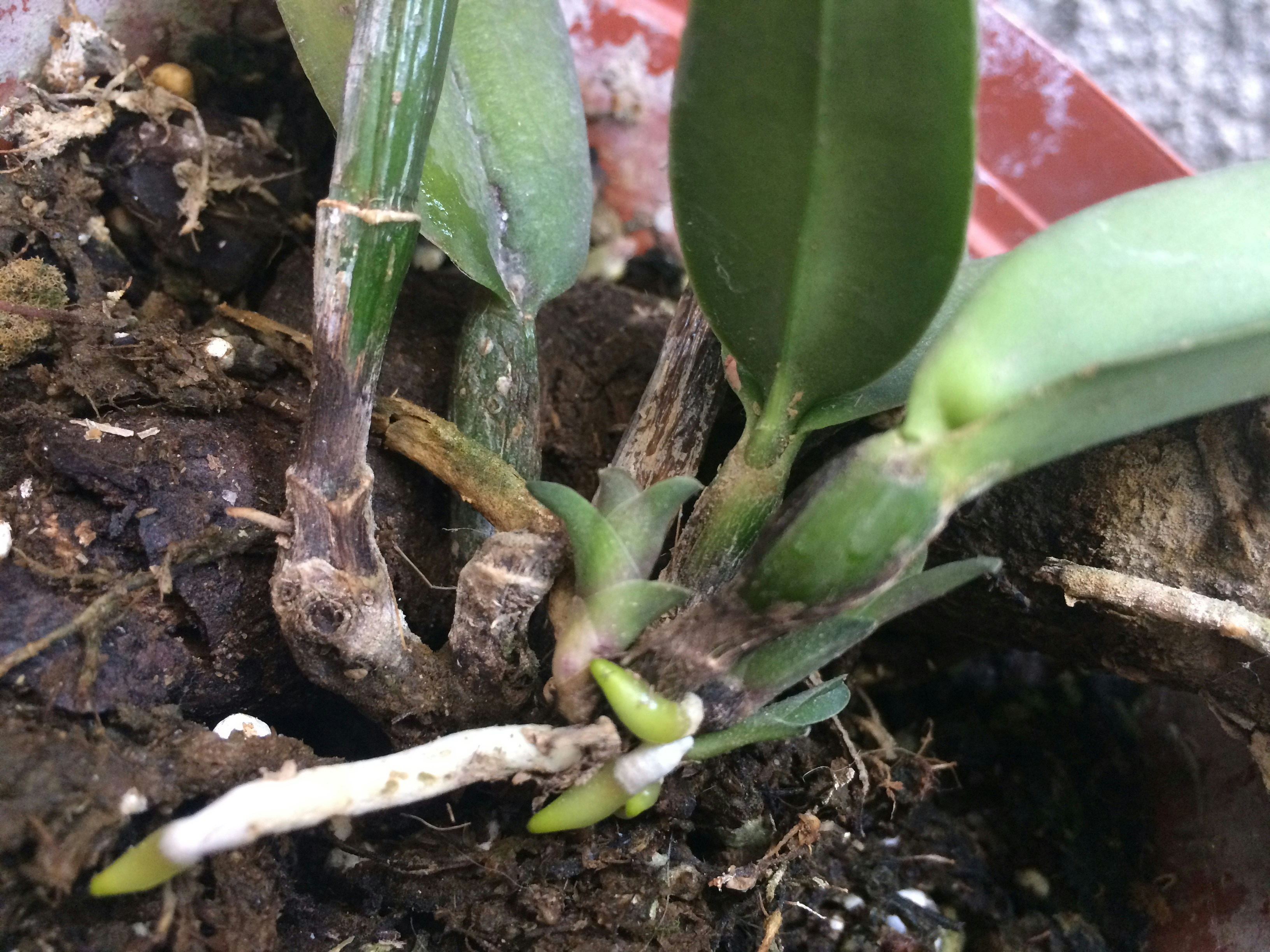
A new spike on a Phalaenopsis means you've done something right: night temperatures dropped 10–15°F for three weeks, light intensity held at 1,500–2,000 foot-candles, and roots stayed moist but never waterlogged. We trigger our greenhouse spikes by cracking the vents every evening from October through December — a deliberate 58°F cold shock that tells the plant winter is real. When that green nub pushes up between the second and third leaf, we stake it toward the strongest light source so the flowers open facing outward.
03 — Bud Set & Shipping
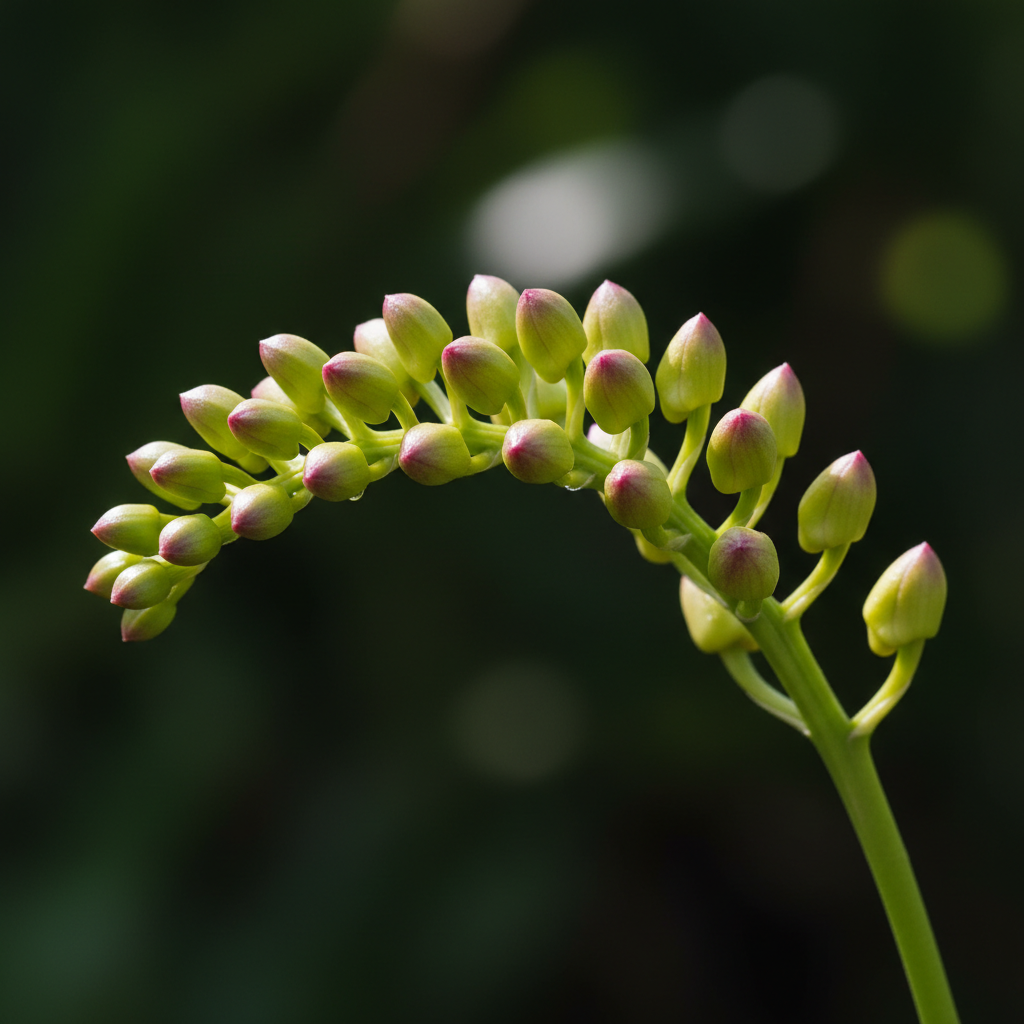
We ship at first bud. Never before.
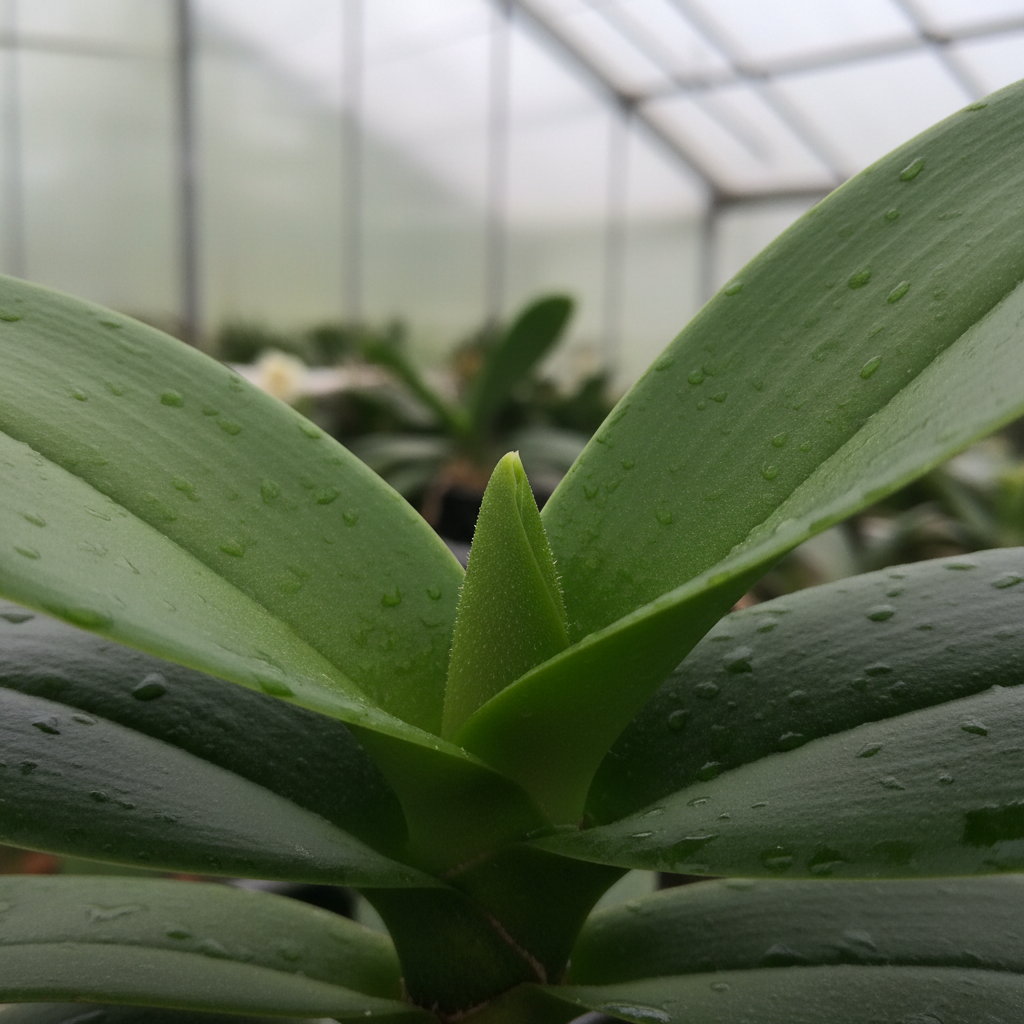
When the spike carries 4–6 tight green buds, we pack. Not at spike. Not at full bloom. Buds survive shipping; open flowers shatter. Each plant is sleeved in a humidity-sealed kraft cone, nested in a custom die-cut foam insert that holds the spike rigid without touching a single bud, and boxed with a heat or cold pack matched to your zip code's forecast. Our live-arrival guarantee is simple: photograph the box within two hours of delivery. If anything's wrong, we replace it — no questions, no forms, one email.
04 — Full Bloom
Twelve weeks of cascading color.
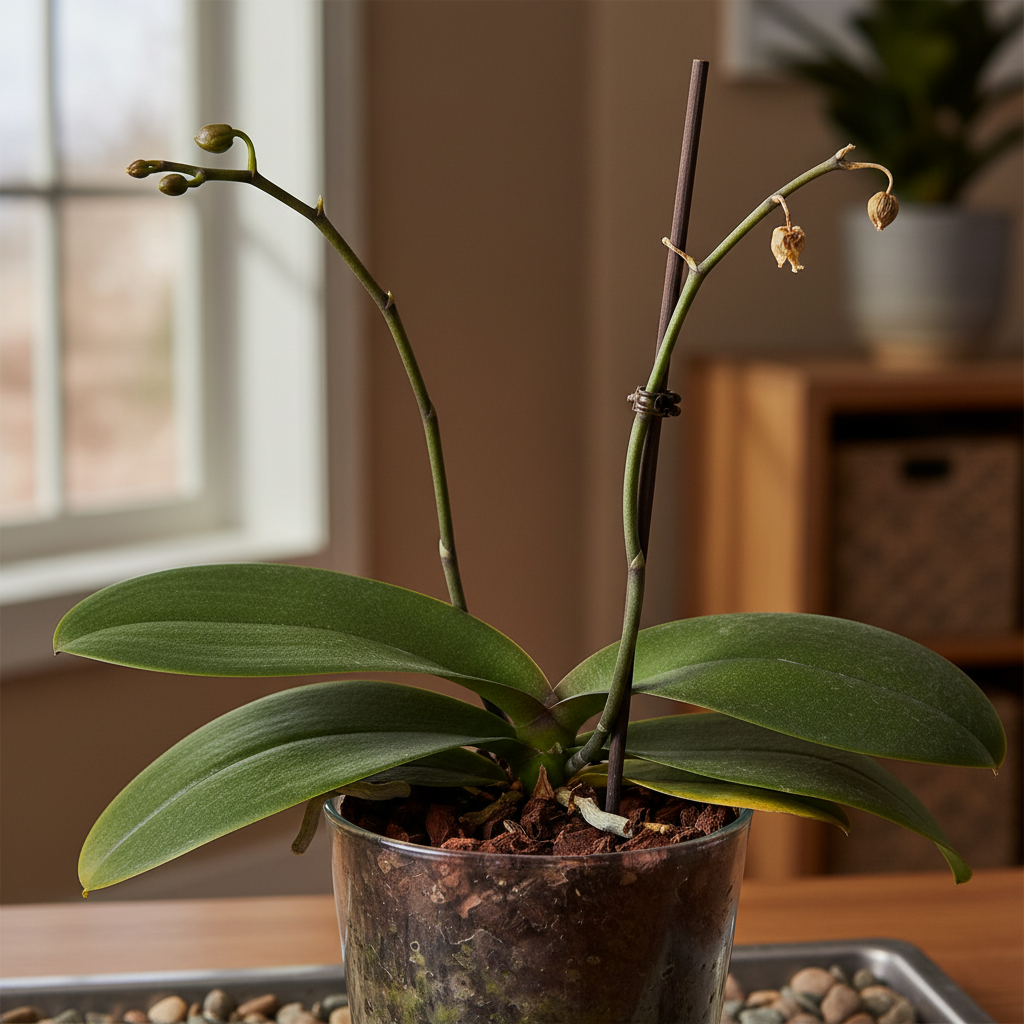
A healthy Phalaenopsis in bloom will hold its flowers for 10–14 weeks. Cattleya, 3–6 weeks of spectacular fragrance. Dendrobium nobile, entire canes covered in white-and-purple clusters that last a month. We photograph every specimen at peak bloom for our live inventory — what you see is what ships. Interior designers ordering for hotel lobby installations get a dedicated account manager, advance bloom-date calendars, and priority access to our statement specimens: the 24-inch Phal. gigantea, the bicolor Catt. mossiae, and the near-black Fredclarkeara After Dark.
From our growers
"I've bought orchids from three other sources. Bloom is the only one where I actually understood what I was doing wrong — and fixed it. My Cattleya trianae rebloomed in September for the first time in four years."

Margaret Holloway
Orchid Collector, Portland OR
"We source all living installations from Bloom. The statement Phalaenopsis for the Four Seasons lobby held bloom for 11 weeks. Clients ask about them by name. The care calendar makes maintenance turnover seamless."

Soren Nakamura
Principal, Nakamura Interior Studio
"My Vanda rebloomed. That's all I need to say. Anyone who grows Vanda knows how hard that is. Bloom's protocol worked on the first try."

Priya Subramaniam
Hobbyist Grower, Austin TX
05 — Guided Rebloom
The third orchid won't die.
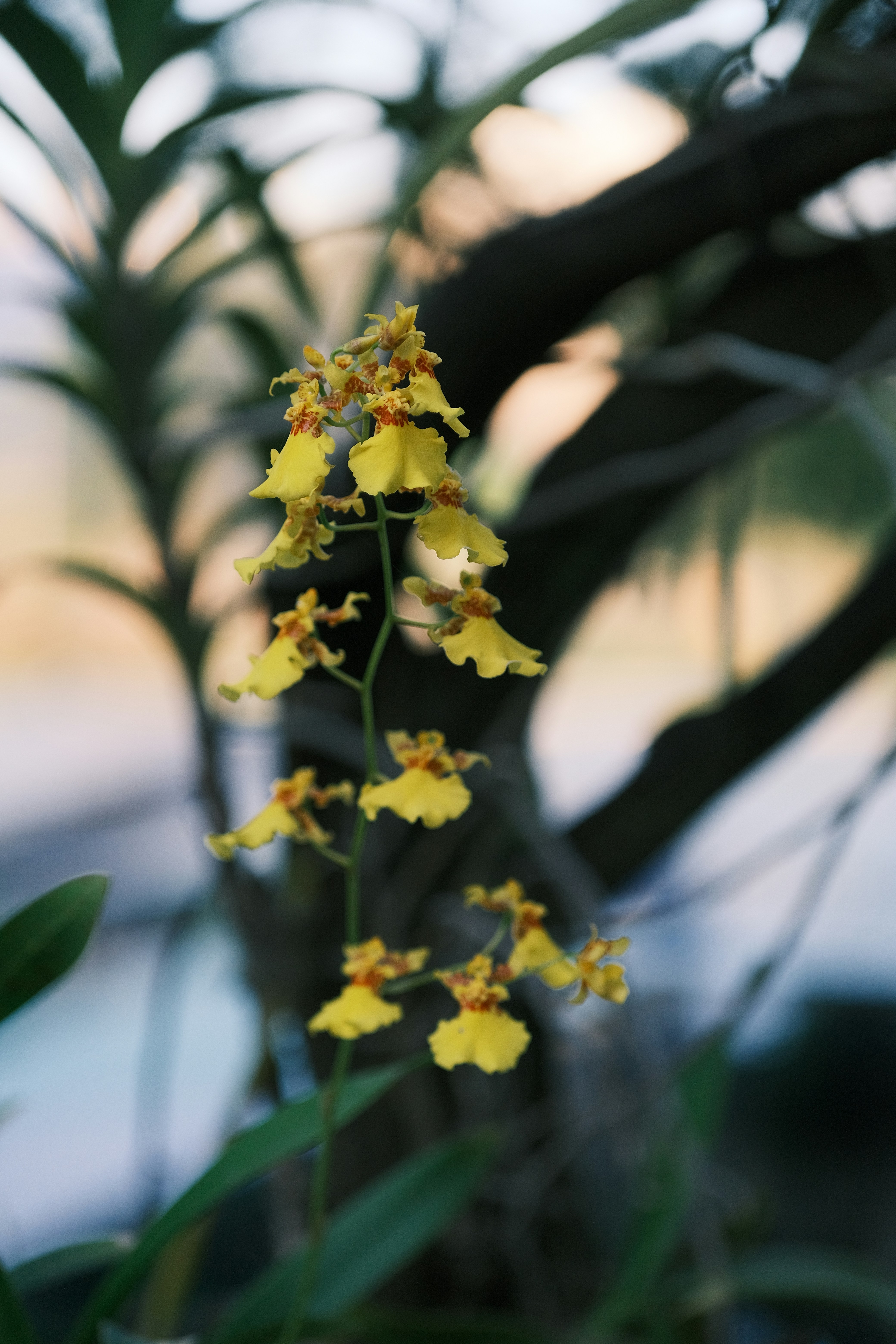
Post-bloom care is where most owners lose the plant. The flowers fall, the spike browns, and the grocery-store advice is "cut it back and hope." Our protocol is more precise: trim the spike to the second node, move the plant to a 12-hour bright-indirect window, reduce watering to every 10 days through dormancy, and begin the 21-day cold-shock protocol again in September. Our 97.3% rebloom success rate isn't luck — it's a calendar. Download it below and follow it exactly.
Free Resource
The Rebloom Calendar
A 12-month care calendar covering Phalaenopsis, Cattleya, Dendrobium, Oncidium, and Vanda — with exact temperature targets, watering schedules, and fertilizer timing for each rebloom window.
No spam. One welcome email, the PDF, and our monthly bloom-window alert.